
What is Oil Pulling and Does It Work?
Oil pulling (sometimes called oil swishing) derives from Ayurveda, a traditional method of medical treatment that originated thousands of years ago in India. Ayurveda fundamentally means “the science of life,” and it aims to integrate and balance the body, mind, and spirit using natural sources, mainly plants. Oil pulling, traditionally done with sesame or sunflower oil, is a natural home remedy that is said not only to improve dental health but also to contribute to whole-body healing in a simple, inexpensive way. Many people say they have experienced remarkable health benefits from this simple act of swishing oil around in their mouths(1). Dr. F. Karach, a Ukrainian oncologist, helped introduce oil pulling to a mainstream audience by announcing to his colleagues at a 1992 conference for oncologists and bacteriologists that he had cured his leukemia and arthritis by practicing oil pulling daily.
- The Benefits of Oil Pulling
- How Oil Pulling Works
- Precautions and Side Effects of Oil Pulling
- The Best Oils for Oil Pulling
- How to Oil Pull
- When and How Often to Oil Pull
The Benefits of Oil Pulling
Oil Pulling Benefits to Oral Health
- Repairs dry lips
- Purifies taste buds
- Whitens teeth
- Prevents and stops bad breath
- Alleviates bleeding gums
- Heals cavities and gingivitis
- Soothes a dry throat
Inexpensive: One nice benefit of oil pulling is that it is a low-cost way to improve your oral health. The oil used for oil pulling is readily available in most households, and if you don’t have any on hand, quality oil is relatively inexpensive and can be bought online and at most stores.
It reduces plaque and gingivitis: A 2007 study(2) found that participants who swished 10–15 mL of refined sunflower oil each morning for eight to ten minutes showed a significant reduction in their levels of plaque and gingivitis. Overall, the researchers concluded that oil pulling was a useful addition to everyday oral hygiene routines. Another study(3), which compared oil pulling with sesame oil to using chlorhexidine (a mouthwash), determined that the two were “equally effective” at reducing halitosis and the organisms that cause it.
Whole-body health benefits: Oil pulling is believed to offer not only oral benefits but also broader health and healing. The Ayurvedic medicine text claims that oil pulling cures more than thirty health ailments. Some of these include diabetes, arthritis, chronic sinusitis, migraines, asthma, bronchitis, intestinal diseases, heart disease, kidney disease, eczema, and many chronic illnesses. Reducing the amount of unfavorable bacteria and toxins in your body reduces the strain they place on your immune system. This may explain why some claim that oil pulling can cure diseases and chronic inflammation.
How Oil Pulling Works
Oil pulling’s simple technique pulls bacteria, toxins, and parasites from your saliva and from the tissues in your mouth. It supports dental health because it reduces pathogens, lactobacilli, streptococcus mutans (the bacteria that cause tooth decay), and the buildup of plaque. A triple-blind study(4) found a significant reduction in the levels of streptococcus mutans after just one to two weeks of oil pulling.
A 2011 study tested swished oil and found that the sesame oil had undergone saponification and emulsification. Microorganisms and debris were also detected in the swished oil when it was observed under a microscope. The saponification and emulsification that result from pulling and swishing the oil help clean the mouth(5). Along with the enzymes that are activated by moving oil around in your mouth, the lipids in the oil help pull toxins, mucus, and bacteria from the mouth and lymphatic system.
Precautions and Side Effects of Oil Pulling
Oil pulling is a simple, natural healing approach with minimal to no side effects. Although it ran for only 45 days, one study found that oil pulling every day did not cause any damage to the hard or soft tissue in the mouths of the study group(2).
If you intend to use oil pulling to treat a chronic disease or ailment, be aware that some people report worsening symptoms while oil pulling. This may be attributed to a Herxheimer reaction, or herx symptoms. Experiencing herx symptoms is said to indicate that the body is healing, and these symptoms should last only a few days. For more on this topic, it may be helpful to research herx symptoms or Herxheimer reactions.
There have been a few reports of crowns or mercury fillings loosening. While such reports are rare and aren’t fully validated, it is helpful to be aware of them. If you are concerned that a crown or filling has loosened, see a dentist immediately.
Do not swallow the oil; it contains bacteria, mucus, and toxins. If you accidentally swallow some, it’s okay — just don’t make a habit of it.
Do not use any oil that you have a sensitivity or allergy to. For example, some people with a tree nut allergy are also allergic to coconuts and should not use coconut oil.
The Best Oils for Oil Pulling
Sesame Oil - Look for unrefined, cold-pressed oil that has not been roasted or toasted. Sesame oil contains linoleic acid (omega 6) and oleic acid (omega 9). It is an antifungal and contains antioxidants and vitamins E and K. We use Flora Sesame Oil.
Sunflower Oil - Look for unrefined, cold-pressed oil. Sunflower oil contains linoleic acid (omega 6) and oleic acid (omega 9). It is a triglyceride (blood lipid), is antibacterial, and contains vitamins A, D, and E. Some find that it has less taste than sesame oil. We use Life-Flo Sunflower Oil.
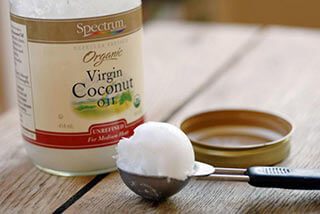
Coconut Oil - Look for unrefined, virgin oil. The lauric acid in coconut oil kills bacteria, viruses, and fungi through its antimicrobial activity. Many find the taste pleasant. This oil is solid at temperatures below 76°F, but it will quickly melt in your mouth. We use Nature’s Way Coconut Oil.
Olive Oil - Look for extra-virgin, cold-pressed oil. Olive oil contains linoleic acid (omega 6) and oleic acid (omega 9). It has antioxidants and is high in vitamins E and K. We use California Olive Ranch Olive Oil.
Almond Oil - Look for unrefined oil. It contains linoleic acid (omega 6), oleic acid (omega 9), vitamin E, and B vitamins. We use NOW Foods Almond Oil.
Many find it helpful to alternate between different oils occasionally. It is also a good idea to keep oil bottles firmly capped to protect the quality of the fatty acids in the oil. Exposing certain oils to oxygen for a long time will cause them to turn rancid faster.
BreathMD’s Favorite: It is hard to decide which type of oil is our favorite. We have preferences when it comes to taste (I personally enjoy sesame oil), but it is hard to tell which one is most effective. We have tried all of them, and what we do now is alternate between these oils each time we oil pull.
How to Oil Pull
-
Put 1 TBSP of oil in your mouth.
-
For 20 minutes, slowly push, swish, and pull the oil through your teeth and all around your mouth (except near the back of your throat), including under your tongue. The oil will turn white and milky toward the end of the session. This is a sign that bacteria and toxins have been pulled from your saliva.
*Remember, do not swallow or gargle the oil! Breathe deeply through your nose while oil pulling. It may help to tilt your chin down a little to make sure you don’t swallow the oil; just be sure you are moving the oil throughout your whole mouth.
-
Spit out the oil. It is best to spit it into the toilet or garbage can so you don’t risk clogging your sink’s plumbing. Coconut oil solidifies at temperatures below 76°F (24°C) and may clog drains and pipes.
-
Thoroughly rinse your mouth with salt water to cleanse away any remaining toxins.
-
Brush your teeth.
* When you first begin oil pulling, your jaw may become sore after just a few minutes. To prevent this, remember to swish the oil gently. There is no need to thrash the oil vigorously in your mouth; it simply needs to be swished around the entire oral cavity. Using less oil may help ease the discomfort. Because oil pulling helps strengthen the jaw, some people may need to build up to a full 20-minute session.
* Oil pulling is not meant to replace your day-to-day oral care. Continue brushing, flossing, and tongue scraping as you normally would.
When and How Often to Oil Pull
It is best to oil pull in the morning, before drinking any water, eating, or brushing your teeth. Many find it easy to make oil pulling a routine part of showering. If you cannot oil pull in the morning, it is always best to do it on an empty stomach: wait four hours after a meal and one hour after drinking. Oil pulling can be practiced a few times a week or even a few times a day.
**Do not use oil pulling as a substitute for care by a qualified health practitioner. Report any worsening symptoms to your doctor to determine if it is a part of the healing process or if you require immediate medical treatment.**